Drywall Installation
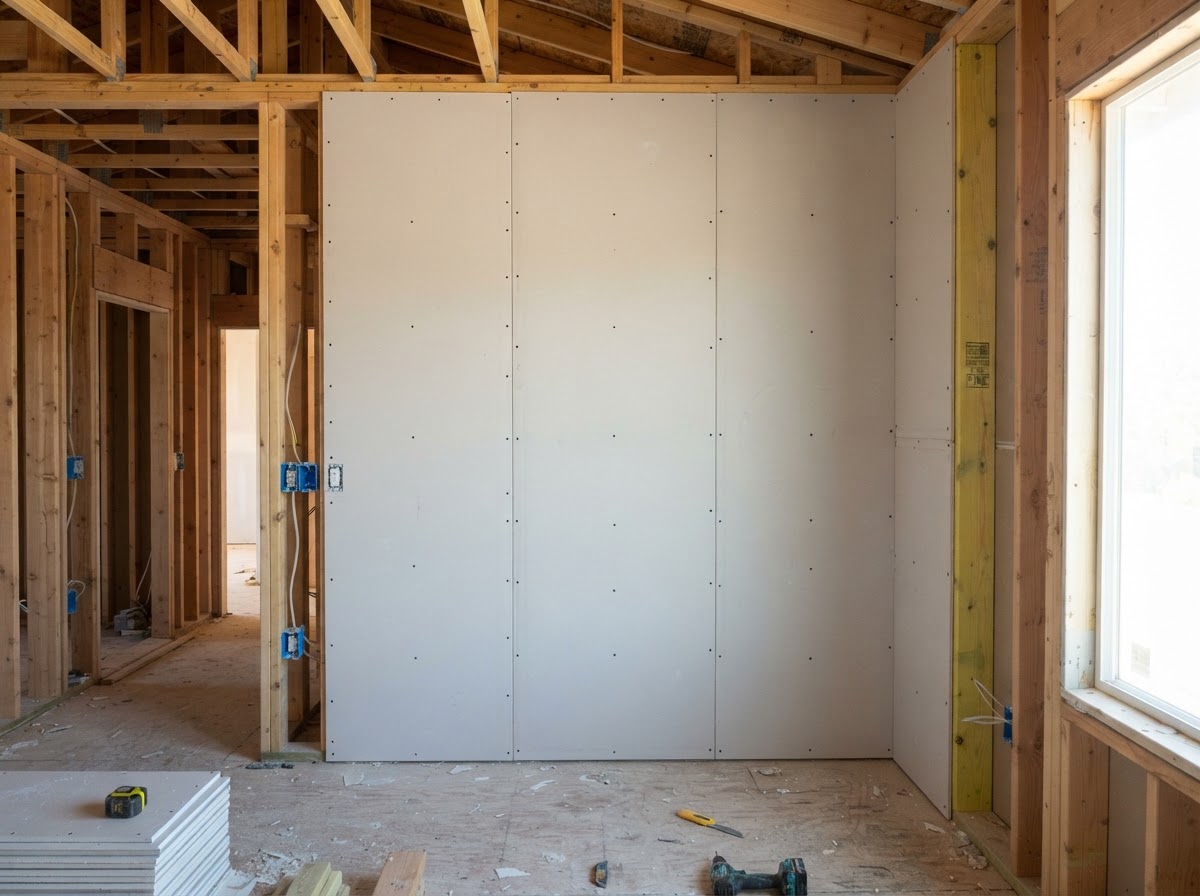
Half-inch and fire-rated drywall hung tight to the framing, screws set flush and seams ready for a flat finish — across homes and businesses in Southern California.
Service Overview.
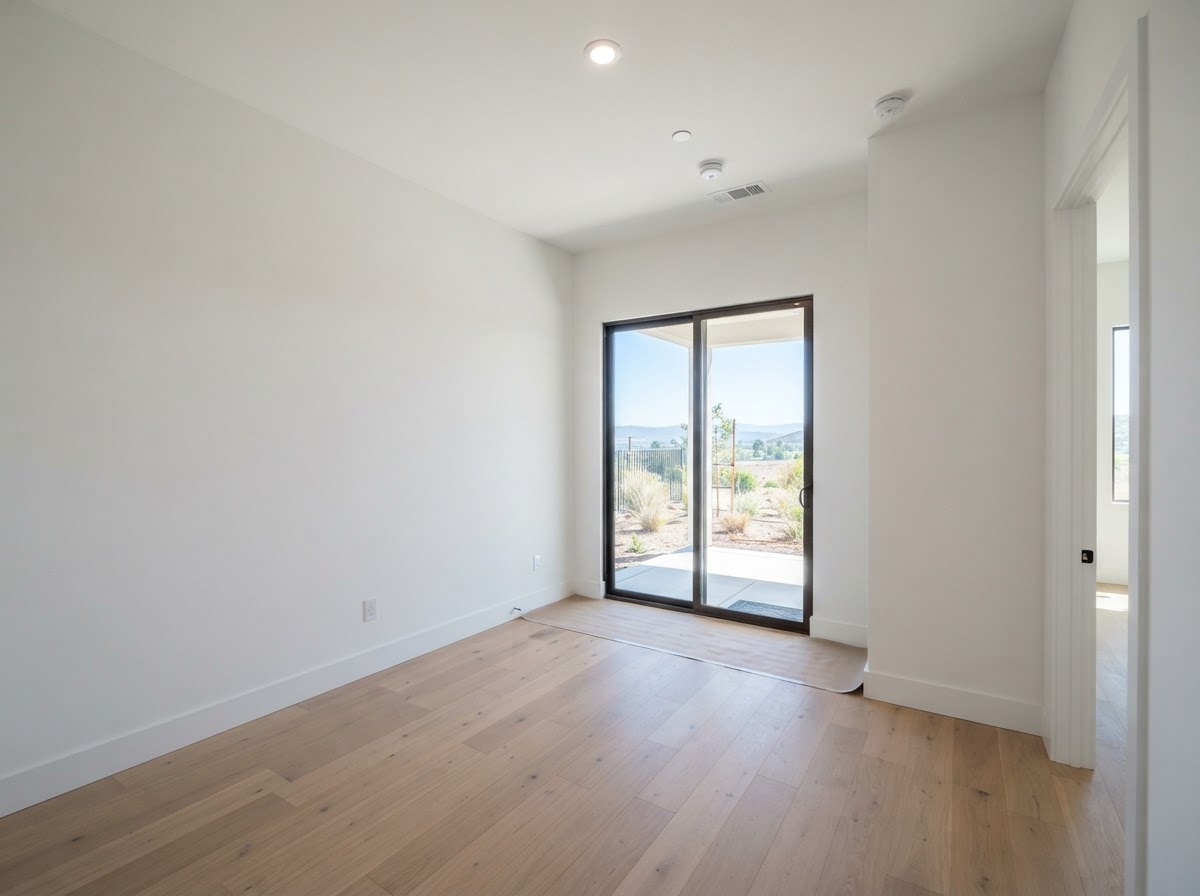
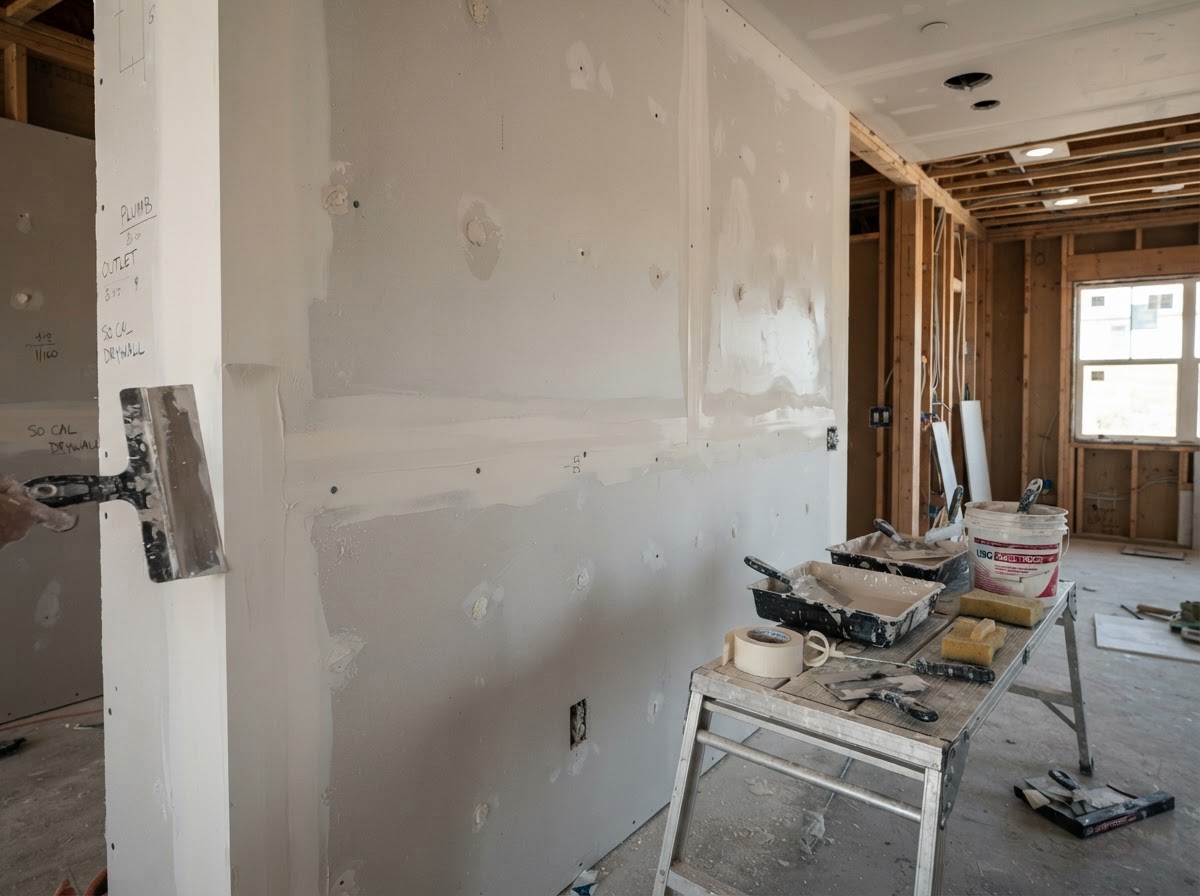
Hanging drywall well is mostly invisible when it is done right and obvious when it is not. Sheets break on studs, screws land in the field and edges get backed properly, seams are staggered, and the board sits flat against the framing with no rockers or gaps that show through the finish.
We hang on both wood and metal framing, handle fire-rated assemblies where the plan calls for them, and set every screw just below the face so it hides in the mud. The result is a wall that tapes out flat and stays flat.
What's Included
- Sheet layout staggered and broken on framing
- Screws set flush, field and edges
- Fire-rated and moisture-resistant board where required
- Window and door returns wrapped clean
- Prep for tape and finish
Why It Matters.
Flat to the Framing
Board seated tight with no gaps or rockers to telegraph.
Right Board for the Room
Moisture, fire-rated and high-impact board where it belongs.
Finish-Ready
Seams and screw heads prepped so taping goes smooth.
What to Know Before You Build Southern California Specifics.
Hanging vs Just Nailing Board
Hanging drywall is not just fastening board to studs. Sheets are laid out so seams break on framing, butt joints are staggered and kept off the flat, and the board is seated tight with no gaps or rockers. Done right, the wall is flat before the first coat of mud; done wrong, every screw and seam telegraphs through the finish. We hang to be finished, not just to be hung.
Wood vs Metal Framing
We hang on both. Wood framing takes screws that bite into solid lumber; metal stud takes self-drilling screws set into the stud flange. The hanging detail differs — fastener type, spacing, and how the board is supported at edges — but the goal is the same: board flat to the framing, seams where they belong. On metal, we watch for flange width and stud spacing so screws land and hold.
Fire-Rated and Sound Assemblies
Where the plan calls for a rated wall — demising, shaft, or a sound assembly between units — the board, the layers, the fasteners and the details all matter. We hang the right board in the right number of layers, hit the listed fastener schedule, and seal the perimeter. A rated assembly is only as good as its installation; we install to the listing so it performs and passes.
Screw Placement and Recess
Screws go in the field of the sheet and at the edges, spaced to spec, and set just below the face without breaking the paper. Too shallow and they show; too deep and they do not hold. We set screws so they dimple into the mud and disappear, and we avoid fasteners near the edge where they can blow out the board. It is tedious, but it is what keeps the finish clean.
Seams, Staggering and Butt Joints
Seams are staggered between rows so you do not get a continuous line of joint, and butt joints — the short ends — are kept off the flat wall where possible or backed and feathered. We plan the sheet layout so seams land on framing and butt joints are minimized. Good layout is the difference between a wall that finishes flat and one with a visible ridge down the middle.
Timeline and Drying Conditions
Hanging is fast; the schedule is in the taping and the dry time of each coat. We hang tight to the framing and move into finish right away, but mud dries on its own schedule — high humidity or cool weather slows it. We plan around the conditions, ventilate, and do not rush coats that are not dry. A wall rushed through wet mud fails later; we let it cure.
Common Questions.
Find answers to common questions about our process, timelines, and what to expect when partnering with our framing and drywall crew. Have a project-specific question? Give us a call at (805) 815-2017.
Yes — we hang on both, with the right fasteners and layout for each.
Explore Related Services.
Drywall Installation Near You.
Local scope, permits, and notes for drywall installation in the communities we serve across Los Angeles, Orange and Ventura Counties.
Ready to Discuss Your Project?
Whether you need a residential addition framed and finished or a commercial tenant improvement built to tight tolerances, our team is ready to plan and execute with the discipline your Southern California project deserves.